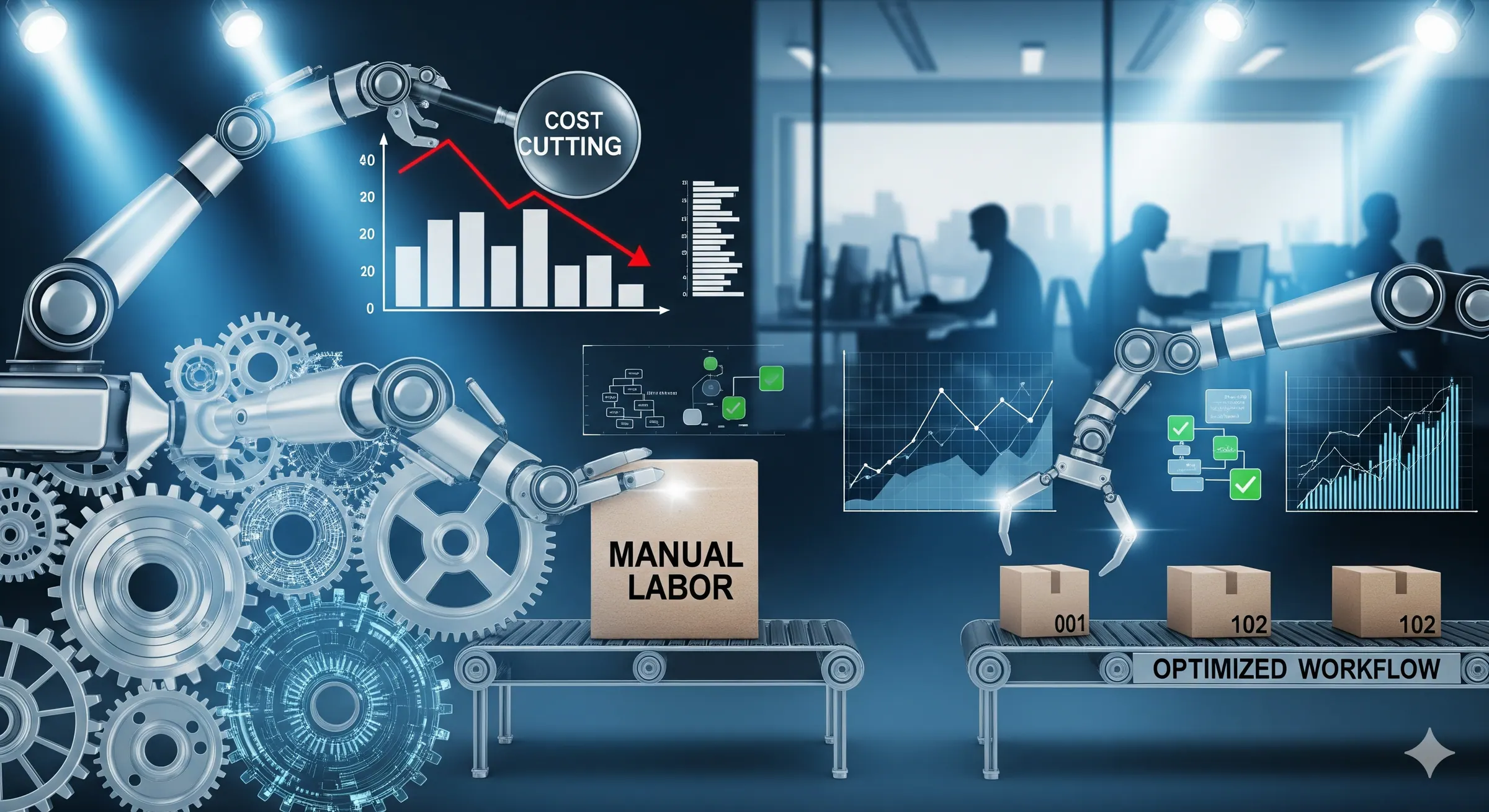
Businesses usually approach automation in the wrong order. They search for trendy tools first, then try to fit their operations around them. The better approach is to look for the highest-friction workflows in the business and automate those first. This is where AI automation creates the fastest return on investment.
In practice, the biggest gains often come from repetitive operational tasks. Lead intake, meeting booking, CRM updates, follow-up reminders, support categorization, invoice routing, and internal handoff workflows are all strong candidates. These are the kinds of processes that drain time every week and quietly slow growth.
At Techsyhub, we focus on automation systems that remove bottlenecks without breaking the way the business already works. That can mean connecting forms to internal dashboards, routing inquiries to the right team, triggering reminder sequences, or building AI-assisted workflows that summarize incoming requests for faster decision-making.
The ROI is strongest when automation does three things at once: reduces manual admin, improves response speed, and increases consistency. If a workflow saves time but creates confusion, it is not good automation. If it improves speed but breaks the customer experience, it is still not good automation. The goal is operational leverage with clarity.
AI automation becomes especially valuable once a business starts scaling. More leads, more service requests, and more internal coordination quickly expose weak processes. A good automation stack helps the business handle that growth without constantly adding manual overhead. That is why automation should be seen as a commercial system, not just a technical convenience.